Birds of prey are some of the most spectacular and fascinating birds out there. So, it’s not surprising that they have some pretty cool facts about them! Here are our picks of the most interesting facts about birds of prey. We hope you learn something new... Harris...
Maggie
African Hooded Vulture
Scientific Name: Necrosyrtes Monachus
Conservation Status: Critically Endangered
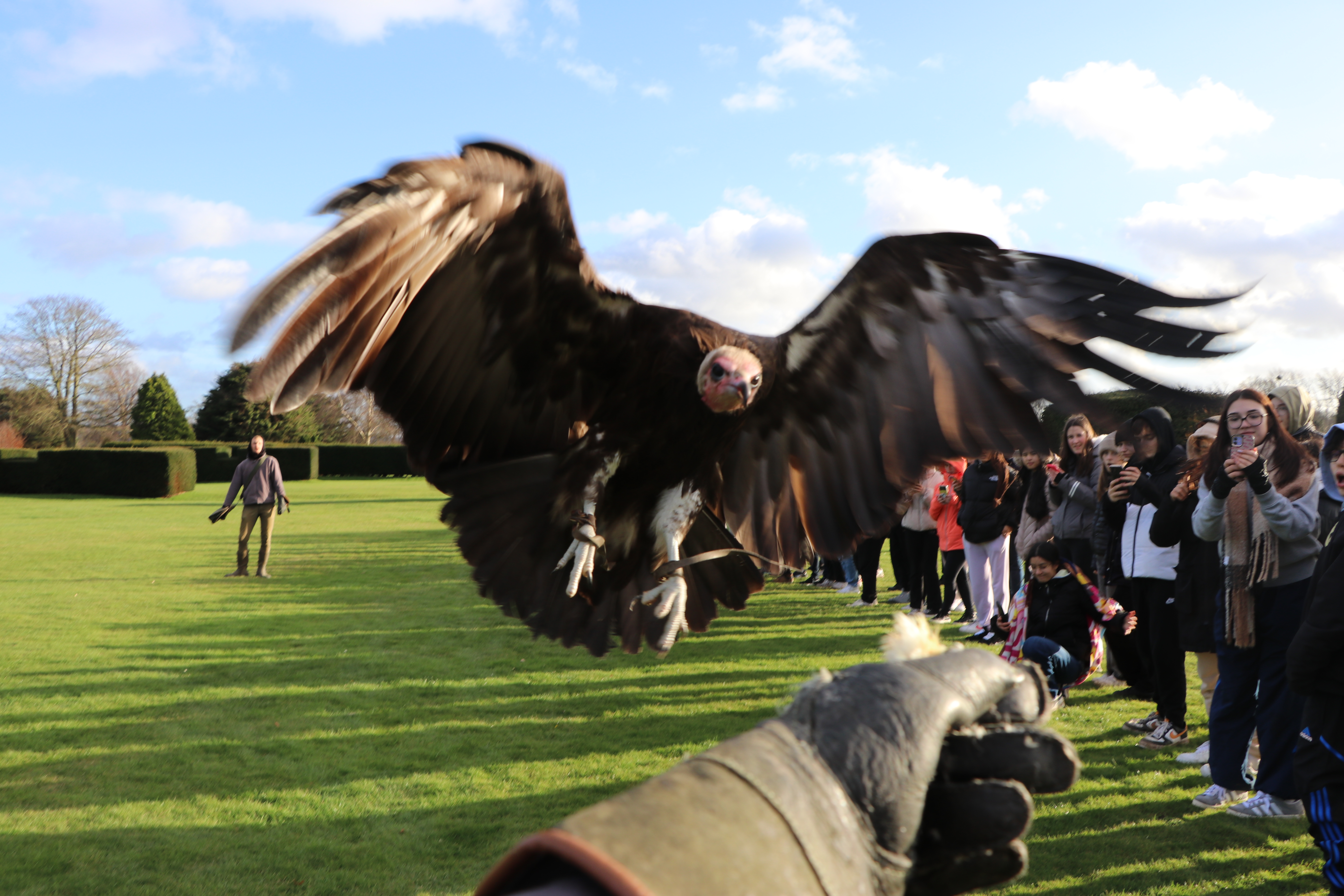
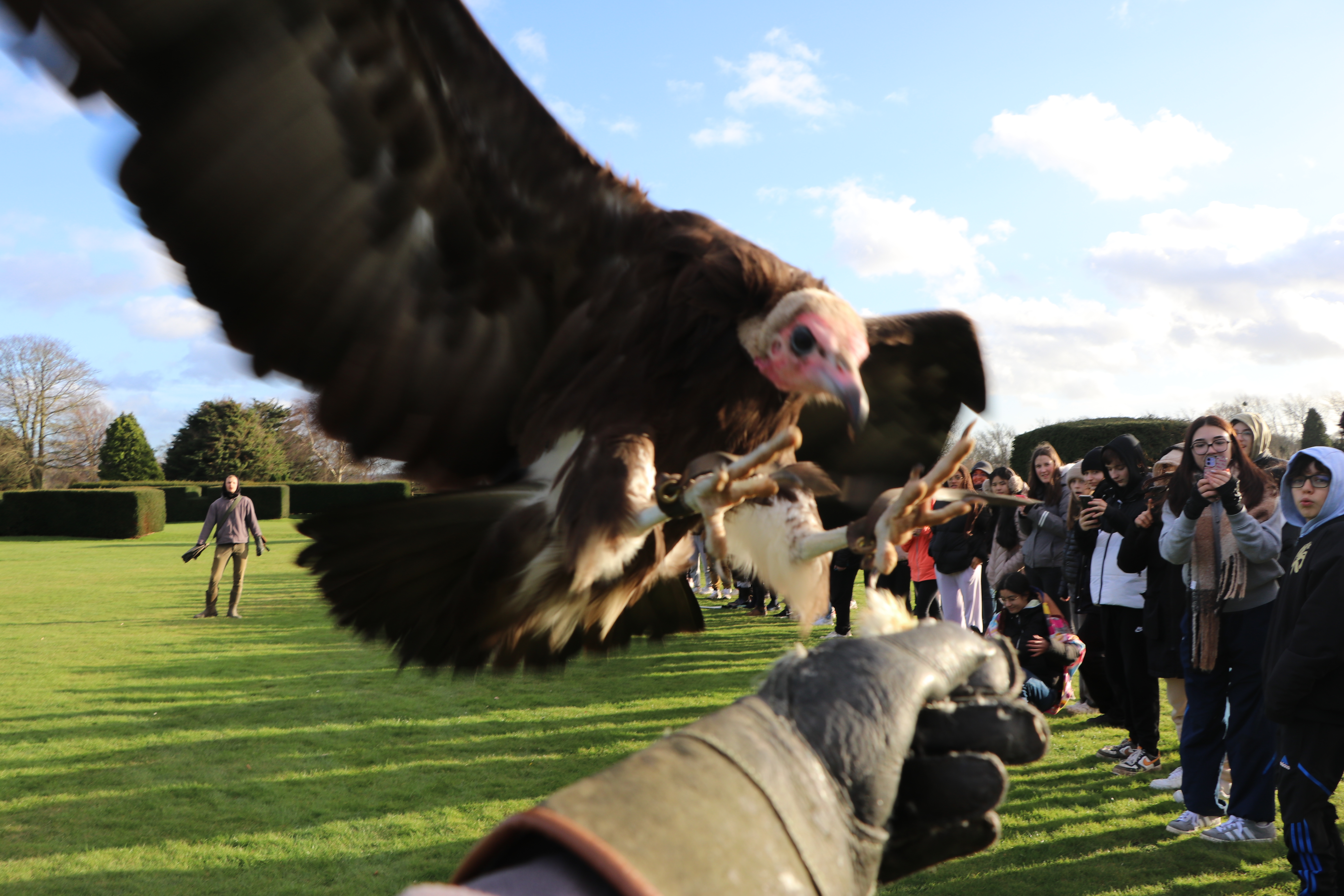
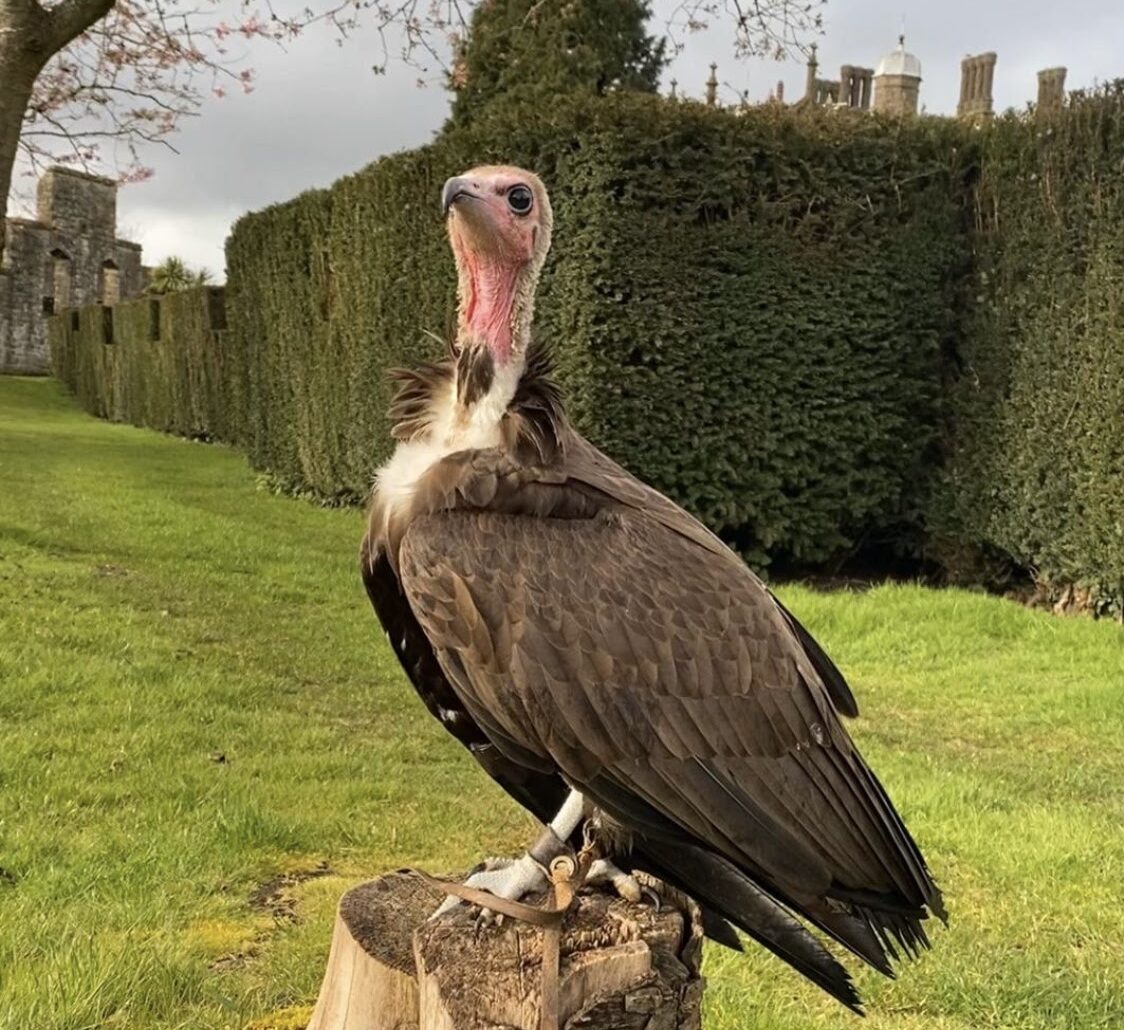
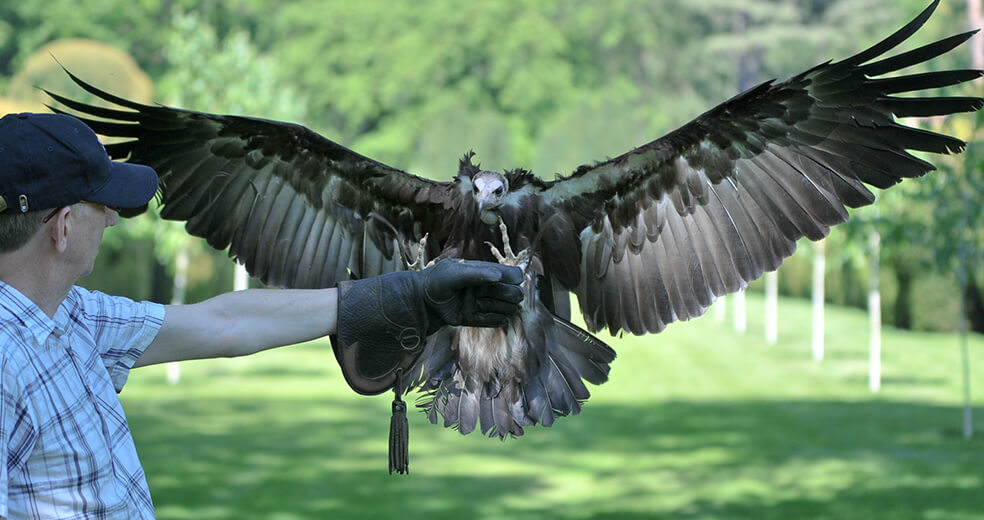
Maggie is our resident Hooded Vulture and an absolute dream to be around. At nearly 30 years old she is by far our oldest bird on the team and shows no signs of ever slowing down.
A fiesty girl at times, Maggie will occasionally chase her handlers and peck at their shoelaces if she believes they are taking too long inbetween flights. However, she is all about manners and if we ask nicely, she will let us give her head a light scratch! Maggie has also been known in the past to frequent the terrace of the manor house and pester the hotel guests for their scones as they try to enjoy their afternoon tea.
We hope to enjoy another 30 happy years with Maggie yet.
Vultures are under threat
African hooded vultures are a critically endangered species with only around 131,000 adults left in the wild as of 2021. They are an old world vulture in the order Accipitriformes, which also includes eagles, kites, buzzards and hawks. It is the only member of the genus Necrosyrtes, which is sister to the larger Gyps genus, both of which are a part of the Aegypiinae subfamily of Old World vultures.
Hooded vultures face many threats, however, poisoning is one of the largest they face, with poachers fearing circling vultures will give away the location of their kill. Another problem is the use of vulture parts in traditional medicine. For some vulture species, wind farms and wind turbines pose a cataclysmic threat to vulture populations.
However, a huge factor to the declining vulture populations is the inability to rebuild their populations. Most vulture species do not reach sexual maturity until they are at least 10 years old, by which point they then have to find a partner in the already dwindling population and successfully breed. Which leads them to their next issue in that, they only lay 1 egg a year.
If this egg hatches it is then dependant on the parents for the next 6 months. Being carrion eaters and scavengers, these parents cannot guarantee where the next meal will come from. The young are then open to other threats by other predators and birds of prey whilst they are young and weak, and whilst the parents will fiercly protect their young, they are not designed for impact or assault.

Fun Facts About Hooded Vultures
#1
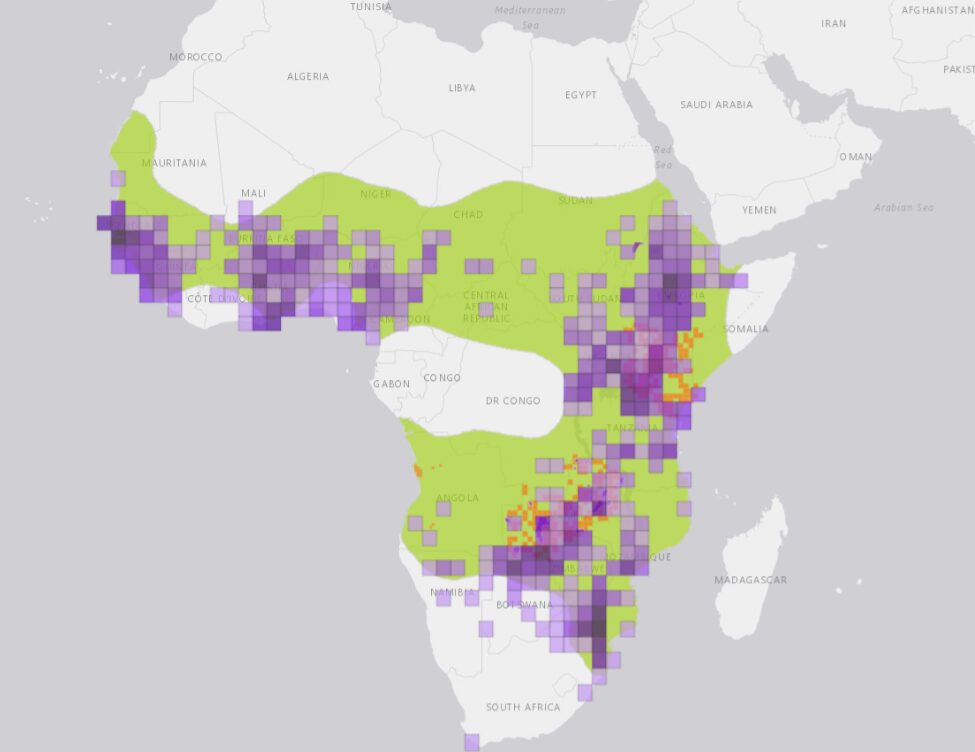
It is native to sub-Saharan Africa, where it has a widespread distribution with populations in southern, East and West Africa. The highest current regional density of hooded vultures is in the western region of The Gambia.
#2
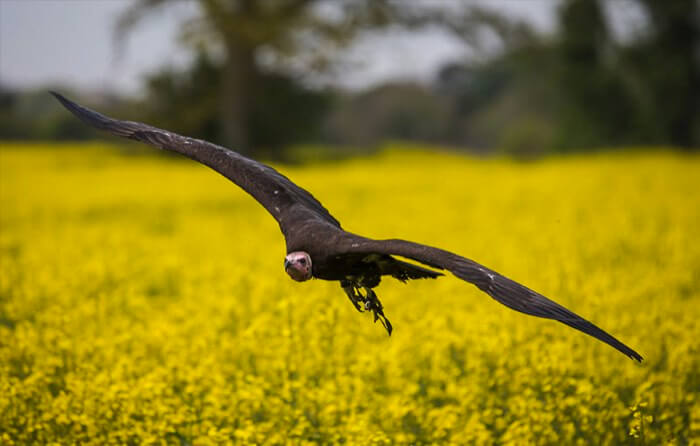
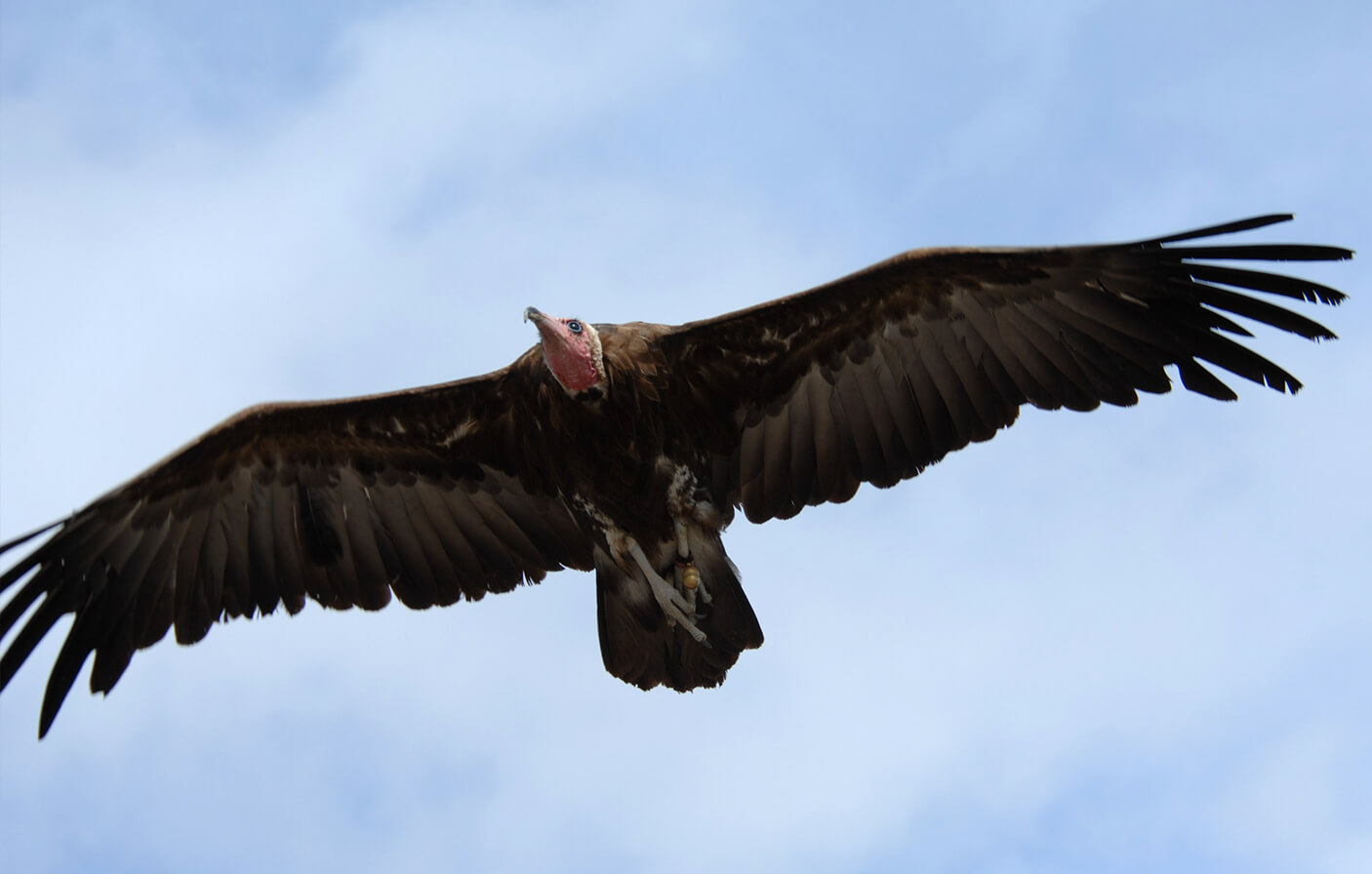
Hooded vultures are one of the smallest vulture species in the world and are also, unfortunately, at the bottom of the vulture hierarchy. Hooded vultures, with their long neck and beak, are specifically designed to stick their head into a carcass and strip away what is left on the inside. The shorter feathers on their head, or their ‘hood’ allow for any bacteria on their head to be cooked off by the sun.
#3
When you break down the name Necrosyrtes Monachus, it describes the hooded vulture to a T.
Necro – Dead / Death – They are primarily carrion eaters. Meaning they eat animal carcasses.
Syrtes – Quicksand – or a bog, particularly in an archaic sense, or to dangerous sandbanks and shallows off the coast of North Africa.
Monachus – single or solitary specifically in reference to monks which wore… Hoods!
How Your Adoption Helps
Every little helps when it comes to caring for animals. Your adoption will help us feed, train, house, and care for our team as well as help toward routine veterinary visits!
10% of your donation will go toward a charity such as Vulpro, the Barn Owl Trust, and the Peregrine Fund in a show of support to their monumental efforts.
How To Adopt a Bird
Step 1
Pick which member of our team you would like to adopt!
Step 2
Select the Package that works for you.
For as little a £30, you can adopt a member of our team. You can choose a 3 month, 6 month, or 12 month adoption!
Step 3
Head on over to the checkout and you’re off!
Don’t forget, with your adoption pack you can also enjoy a picture of your lucky adoptee, a certificate of adoption, and tickets to visit your new feathered friend!